

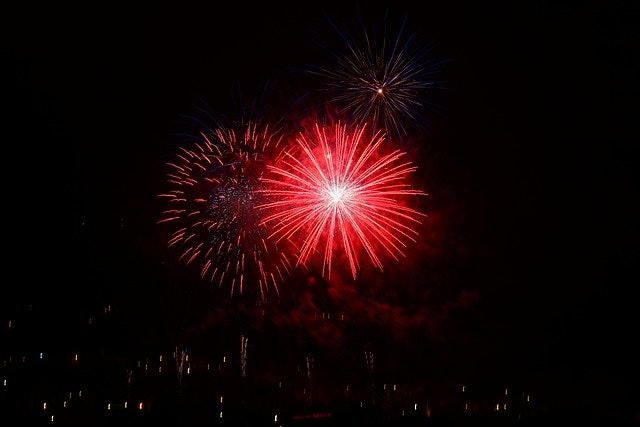
Fireworks Safety Month serves as a timely reminder that summer celebrations should always include a strong focus on safety. As people across Maryland and the rest of the country prepare for seasonal gatherings and July 4th festivities, the risk of injury and legal exposure rises significantly. Although fireworks are a beloved tradition, the dangers they pose are often underestimated.
Current national data suggests that nearly 14,700 individuals experience injuries each year due to fireworks-related incidents. Whether you are attending a community display or planning your own backyard event, understanding FireworkSafety, FireworkInjuries, and LiabilityRisk can help reduce unnecessary hazards.
The following overview explains the most frequent types of injuries, how Personal Injury Law applies to these accidents, and what steps to take if you or someone you know is hurt during a fireworks incident.
Why Fireworks Injuries Spike Around July 4
The days leading up to Independence Day consistently bring an increase in emergency room visits related to fireworks use. This rise is mostly linked to a surge in consumer activity, especially during small gatherings where people use fireworks without professional supervision.
Many of the injuries reported each year happen at private events rather than organized shows. Even when fireworks are legal in a particular area, poor handling, lack of safety measures, or inadequate monitoring can quickly turn a celebration into a medical emergency.
Common Firework Injuries You Should Know About
Fireworks can cause anything from minor burns to life-changing trauma. Recognizing the most frequent FireworkInjuries can help individuals better appreciate the potential risks.
Burn Injuries
Burn Injuries make up roughly 37% of all reported fireworks-related harm each year. Hands, fingers, and arms are particularly vulnerable because they are often closest to ignition points.
Even handheld sparklers can reach dangerously high temperatures. Malfunctioning devices or fireworks that explode unexpectedly can lead to severe burns requiring medical care and ongoing treatment.
Eye Injuries
EyeInjuries pose significant long-term risk because they can result in lasting or permanent vision problems. People standing too close to launch sites or watching fireworks from unsafe distances are more likely to experience serious eye trauma.
Flying debris, sparks, or pressure from an explosion can cause corneal burns or deep eye damage. Immediate medical care is crucial whenever an eye injury occurs.
Lacerations, Broken Bones, and Hearing Issues
Fireworks accidents extend beyond burns and eye damage. Faulty devices or misdirected launches can send fragments into a crowd, causing deep cuts, facial injuries, or fractures.
Additionally, fireworks generate loud blasts that can impact hearing, especially when individuals are too close. Exposure to intense sound can lead to temporary or permanent hearing loss. Smoke and chemical residue can also irritate the lungs or trigger breathing issues.
Serious Blast Injuries
The most catastrophic injuries often involve large aerial fireworks or mortar-style devices. These powerful products can cause amputations, permanent disability, or long-term functional limitations.
When injuries reach this level of severity, the resulting legal and financial considerations often become much more complicated.
LiabilityRisk After a Fireworks Accident
When someone is hurt during a fireworks event, questions about responsibility naturally arise. Under PersonalInjuryLaw, liability largely depends on whether the person using the fireworks acted in a reasonably safe manner.
Duty of Care
Anyone handling fireworks is expected to use reasonable care. This includes selecting a safe launch area, keeping proper distance between spectators and devices, and following all manufacturer guidelines.
If a person ignores these basic steps and someone else is injured, they may be held legally accountable.
Negligence Considerations
Liability may increase when individuals fail to supervise minors, disregard operating instructions, allow fireworks in unsafe areas, or direct them toward people. Courts often assess whether a reasonably cautious person would have taken steps to prevent the harm.
Premises Liability
Property owners and hosts may face additional exposure if unsafe property conditions contribute to an injury. Hosting a celebration where fireworks are used can increase the responsibility to ensure guests are not placed in risky situations.
Conditions such as poor lighting, lack of safety barriers, overcrowded spaces, or launching fireworks near flammable structures may all influence liability outcomes.
Regulatory Requirements
Local regulations often dictate where and when fireworks may be used. Violating these rules can support negligence claims and may affect how insurance companies handle reports of damage or injury.
Illegal or overly reckless behavior with fireworks can escalate financial and legal consequences.
Insurance Considerations
Insurance coverage varies by policy. While some homeowners’ insurance plans offer limited liability coverage, others exclude incidents involving illegal or unsafe activity.
When serious injuries occur, damages can easily exceed policy limits, creating additional financial exposure for those involved.
The Financial Costs of Fireworks Injuries
The aftermath of a fireworks injury often results in more than a single medical bill. Ongoing expenses may include follow-up medical care, specialist visits, medications, and rehabilitation.
In addition, individuals may lose income due to missed work, and long-term injuries can affect future earning potential. Personal Injury Law claims may seek compensation for medical costs, pain and suffering, emotional trauma, and reduced quality of life.
Because these consequences can impact every area of a person’s life, early documentation is essential.
What To Do After a Fireworks Accident
If you or a loved one is hurt during a fireworks event, your immediate actions can affect both medical recovery and legal outcomes.
Always seek prompt medical care, even for minor injuries. Early treatment creates an important health baseline and offers crucial documentation.
Next, document the scene thoroughly. Take photos of injuries, the fireworks involved, and the surrounding area. Collect contact information from witnesses and create a detailed timeline while memories are fresh.
Keep any packaging or remnants of the device, as this may help determine whether improper use, a defective product, or regulatory issues played a role.
Notify any relevant insurance companies as soon as possible and maintain organized records of every communication.
Finally, consider speaking with an injury attorney early on. LegalEducation can help you understand your rights and avoid common mistakes when dealing with insurers or other parties.
Stay Safe and Informed This Summer
Fireworks are an exciting part of July 4th traditions, but they also bring real safety and liability concerns. Being aware of FireworkInjuries and LiabilityRisk can help you make informed decisions before celebrating.
Even with proper precautions, accidents can still occur. If you have questions about your legal options after a fireworks-related injury, our team at the Law Office of Carlton J. Moss, Jr. LLC is here to help. Our Bel Air attorney and Harford County injury lawyer team offers aggressive legal representation for individuals facing the aftermath of serious accidents. Visit our website or call us at (410) 838-6100 to learn more about how we can support you during Fireworks Safety Month and beyond.