

Winter weather brings a unique set of challenges that can make traveling far more dangerous than during other times of the year. Snow, ice, and limited daylight all work together to increase the likelihood of accidents. Whether you are behind the wheel or walking anywhere near traffic, understanding these risks can help you stay safer and better prepared if something goes wrong.
How Winter Weather Increases Roadway Risks
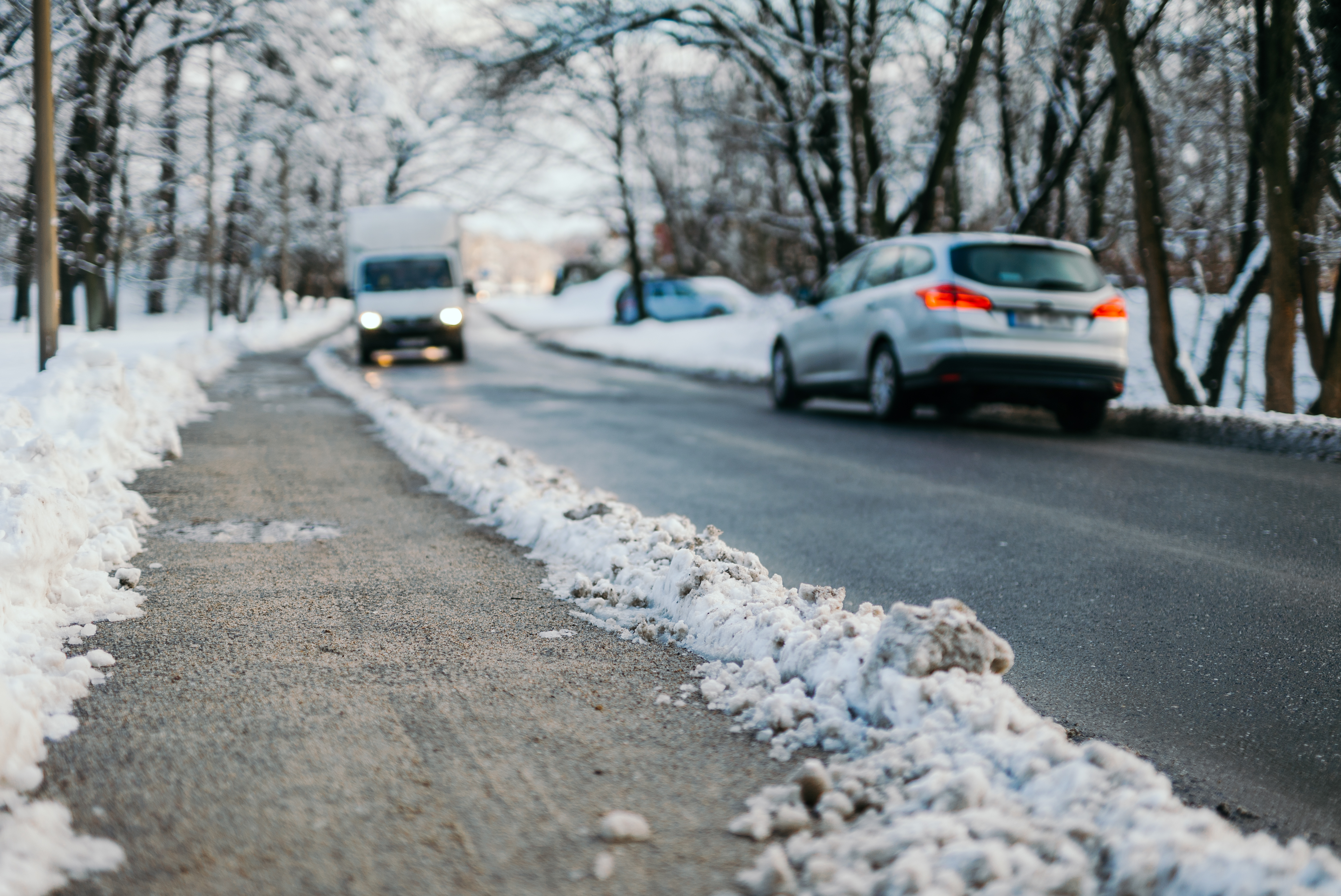
Cold-season conditions significantly affect both traction and visibility. The Federal Highway Administration reports that nearly one-quarter of all weather-related crashes occur on icy, snowy, or slushy pavement. Another portion happens when snow is actively falling, making it harder for drivers to see clearly or maintain control of their vehicles.
One of the most hazardous winter threats is black ice. This thin, transparent layer can develop overnight or in the early morning, making it nearly impossible to detect in time. Even cautious drivers can lose control in seconds when they encounter black ice at normal speeds. Each year, these icy conditions contribute to thousands of crashes and hundreds of fatalities across the country.
Shorter days add another layer of difficulty. With sunset happening earlier, many people commute in the dark. Reduced visibility makes it harder for drivers to spot pedestrians, especially when sidewalks are covered in snow or when people wear dark, non-reflective clothing. Unfortunately, most pedestrian deaths occur at night, and winter only increases this danger.
Frequent Driver Errors That Increase Winter Crash Risk
Many winter-related accidents could be prevented, but certain common mistakes make collisions more likely. One frequent oversight involves not fully clearing snow or ice from a vehicle. Snow left on a roof can slide onto the windshield while driving, while chunks of ice can fly off and hit nearby vehicles. Several states, such as New Jersey and Pennsylvania, have laws requiring drivers to remove snow from their vehicles before heading out.
Speeding for conditions, tailgating, and neglecting to turn on headlights during snow or low light are also problematic. Quick braking and sudden turns often result in skidding or losing control, especially on untreated or poorly maintained roads. These errors can quickly compound and lead to multi-vehicle accidents.
Rural Areas and Large Trucks Face Greater Hazards
Drivers in rural settings experience additional risks during the winter. Road crews may take longer to reach remote roads, bridges freeze quicker than other surfaces, and limited lighting makes it harder to detect stalled vehicles or icy patches. When an accident does happen, longer emergency response times may worsen injuries and overall outcomes.
Commercial truck drivers also face heightened risks. Large vehicles need far more time and distance to stop than passenger cars, and icy surfaces reduce that stopping power even more. Situations like jackknife accidents can unfold almost instantly and often lead to major pileups. Federal data shows that snowy and icy road conditions contribute to more than 1,800 deaths annually, with many involving commercial trucks.
One tragic example is the 2021 Fort Worth pileup—a massive 130-vehicle chain reaction caused by icy conditions. The crash resulted in multiple deaths and dozens of injuries, demonstrating just how devastating winter roadway hazards can be.
Distraction and Low Visibility: A Dangerous Combination
Winter driving requires sharp focus, but both drivers and pedestrians are often distracted. Drivers may be juggling defrost controls, adjusting heat settings, or checking navigation apps. Pedestrians, on the other hand, might be bundled tightly in winter clothing, carrying bags, or concentrating on avoiding slippery sidewalks.
Children are particularly vulnerable during dark winter mornings as they walk to school, especially when dressed in clothing that blends into the environment. Older adults also face increased challenges, from reduced balance on icy walkways to slower reaction times when crossing streets. These factors, combined with fast-moving vehicles and unpredictable road conditions, significantly elevate the risk of accidents.
Practical Safety Tips for Winter Travelers
Fortunately, there are steps everyone can take to reduce the risk of winter accidents. For drivers, one of the most important habits is fully removing snow and ice from your entire vehicle—including the roof, mirrors, windows, and lights. Slowing down and allowing more distance between cars creates time to react on slippery roads. Using gentle braking rather than slamming on the brakes can prevent skidding and loss of control.
It is also wise to keep a basic emergency kit in your vehicle. Useful items include a scraper, a warm blanket, a flashlight, and materials like kitty litter or sand to help regain traction if your car gets stuck.
Pedestrians can improve their safety as well. Wearing reflective or bright clothing helps drivers spot them sooner. Using crosswalks whenever possible—and avoiding walking in the road, even when sidewalks are blocked—reduces risk. Putting phones away while crossing streets ensures full attention in moments when it is most needed.
Why Legal Guidance Is Important After a Winter Accident
Even with careful planning, winter accidents still happen, and they often result in complex injury claims. Severe weather can complicate questions of fault, insurance coverage, and liability. If you or someone you love is hurt in a winter-related crash—whether as a driver or a pedestrian—seeking help from a personal injury attorney can make a meaningful difference.
A lawyer can assist in evaluating damages, negotiating with insurance carriers, and advocating for fair compensation for medical bills, lost wages, and emotional suffering. The sooner you reach out, the better positioned you’ll be to protect your rights.
If you're navigating the aftermath of a winter accident, don’t wait. Contact our firm today to learn more about your legal options and how to move forward confidently.